Discovery of a Mechanism Paving the Way for Developing a Virus-Based Treatment to Combat Bacteria
Researchers have discovered a new mechanism that bacteria use to detect the viruses attacking them, in a step that could help scientists develop a virus-based treatment to combat antibiotic-resistant bacterial infections.
Ofoq News
·3 minutes read
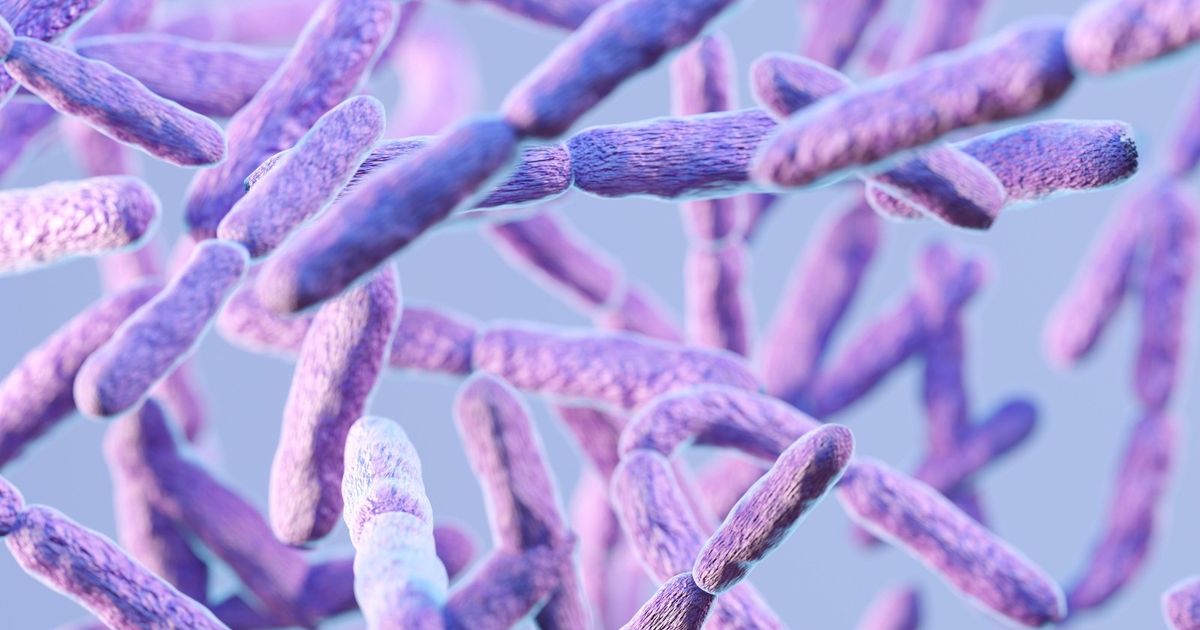
Researchers have discovered a new mechanism used by bacteria to detect the viruses that attack them, in a step that could help scientists develop a virus-based treatment to combat antibiotic-resistant bacterial infections.
The study, conducted by researchers from the University of Utah Health in the United States and published in the journal "Science", found that some bacteria detect viral infections when an enzyme produced by the virus cuts a sensitive protein inside the bacterial cell, triggering a series of defense signals that may end with the bacteria destroying themselves to prevent the virus from spreading.
Attention is focused on a group of viruses known as "bacteriophages", which are viruses specialized in infecting and destroying bacteria without attacking human cells.
Bacteriophages are being tested as a potential alternative to antibiotics, especially with the increasing problem of bacterial resistance to traditional drugs.
However, the therapeutic use of these viruses faces a fundamental obstacle, as the bacteria themselves have defense systems capable of recognizing and resisting bacteriophages.
The researchers studied a bacterial immune system known as "CRISPR", which is one of the defense systems against viruses found among various types of bacteria.
AI models have successfully identified drugs that combat bacteria causing pneumonia and meningitis in an approach that accelerates the search for treatments to address antibiotic resistance.
When the system detects a serious viral infection, it may prompt the bacterial cell to kill itself before the virus can replicate inside it and produce new copies that spread to neighboring bacteria, resembling a last-ditch defense strategy where the cell sacrifices itself to protect the rest of the bacterial community.
The lead researcher of the study, Sam Hobbs, stated that this type of bacterial immunity is one of the most common systems, and understanding how it senses the presence of the virus was a surprise to the researchers.
It was found that some bacteriophages produce an enzyme called "protease", whose role is to cut and analyze other proteins.
Researchers found that this viral enzyme cuts a protein inside bacteria, and the cutting process itself turns into a warning signal that triggers the immune system.
This means that the bacteria do not recognize the viral genetic material directly in this case, as happens in several other immune systems, but instead detect an essential activity needed by the virus during its life cycle.
Hobbs explained that this mechanism is clearly different from other defensive pathways that respond to the presence of DNA or viral genetic material inside the cell.
The results may have particular significance in the development of phage therapy; understanding how bacteria recognize the virus could help researchers in the future design therapeutic phages capable of evading bacterial defense systems and reaching the target bacteria more efficiently.
This strategy may become increasingly important as infections that no longer respond to conventional antibiotics rise, a problem that has prompted researchers to revisit phages as a potential means to kill resistant bacteria.
Researchers indicate that the importance of the study may extend beyond treating bacterial infections; the "Cypas" system is evolutionarily linked to immune pathways present in humans, suggesting that some of the fundamental principles used by cells to detect viruses are extremely ancient from an evolutionary perspective.
Hobbs stated that the retention of these pathways by organisms over billions of years suggests they play a fundamental role in defense against viruses.
Bacteria provide researchers with a relatively rapid model to study these systems due to their fast reproduction and the simplicity of experiments that can be conducted on them compared to more complex organisms.
The discovery does not mean that a new treatment is ready for immediate use, but it provides a more precise understanding of the ongoing arms race between bacteria and the viruses that infect them, a race that scientists may exploit to design new tools to tackle one of the biggest challenges in modern medicine, which is antibiotic resistance.
Source: Ofoq News
Suggested
Read also
 Politics
Tripartite Meeting Between Egypt, Chad, and Libya Discusses Security in the Sahel and Sahara Region
 Politics
United States.. Woman Arrested on Suspicion of "Espionage for China"
 Politics