Resignation of the President of the Egyptian Opera after a Crisis of Statements and Apologies
The President of the Egyptian Opera House, Dr. Reda El-Wakeel, resigned from his position less than 3 weeks before the opening of the 34th session of the Arab Music Festival and Conference, following a crisis triggered by his statements regarding the absence of Arab singing stars and the fees of artists and musicians, which led Mohamed Tharwat and Ali El-Haggar to announce their non-participation, amid objections to the management of the festival and the justification for the absence of stars from its program.
Ofoq News
·5 minutes read
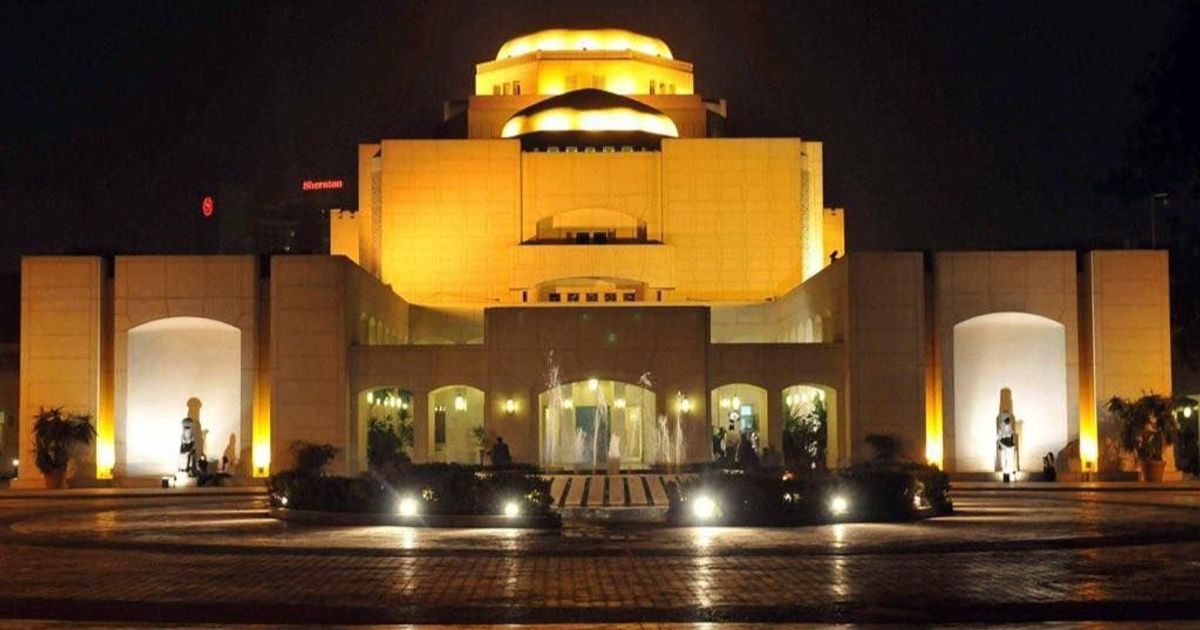
The head of the Egyptian Opera House, Dr. Reda El-Wakeel, resigned from his position less than three weeks before the opening of the 34th edition of the Arab Music Festival and Conference, following a crisis triggered by his statements regarding the absence of Arab singing stars and the fees of artists and musicians. This led Mohamed Tharwat and Ali El-Haggar to announce their non-participation, amid objections to the management of the festival and the justification for the absence of stars from its program.
The controversy began with a question directed at El-Wakeel about the reasons for the absence of Arab singing stars, as well as singer Ali El-Haggar, from the new edition's program. The head of the opera attributed El-Haggar's absence to a desire for change, pointing out that he had participated in many concerts, the latest of which was on September 11, alongside his project '100 Years of Singing.'
El-Wakeel also addressed the fees of musicians, stating that what musicians earn in opera concerts is low compared to their fees for concerts abroad, which is why they prefer to work outside. He also attributed the absence of Arab stars to their high fees compared to the festival's budget and available financial resources.
Hours after the conference ended, statements of objection from several artists followed, with singer Mohamed Tharwat announcing his non-participation in the Arab Music Festival for 2026, affirming his rejection of what he described as 'an insult to Egyptian art or Egyptian artists.'
Tharwat said in a statement directed to his audience: 'My dear audience, over fifty years of giving and singing, I have presented to you what I believe in from values, and generations have grown up on my works, from children's songs to national and religious songs, and I have created an artistic legacy that has lived through generations.'
He added: "I have never delayed in participating in any event that represents our dear country, and my respect for my country, my Egyptian identity, and my Arab identity remains a principle I do not deviate from."
He explained that throughout his career he has not been accustomed to discussing the behind-the-scenes work in public, whether through the media or press releases, but this time he decided to announce his position, saying: "For the first time, I say it clearly: I will not accept, and I will not participate in the insult to Egyptian art or Egyptian artists. Therefore, I have decided not to participate in the Arab Music Festival for the year 2026."
A few hours later, singer Ali Al-Hijjar issued a statement confirming his apology for participating in this year's edition, noting that it is the first time he has missed the festival since its inception.
Al-Hijjar clarified that the real reason for his absence is the Opera House's approval of a budget that he described as "weak and humiliating" for the accompanying musical band, which he rejected, adding: "This is the truth that the head of the Opera House ignored to mention at the press conference."
Al-Hijjar objected to the agent's reference to the concerts he held during his presidency of the opera, saying: "It is strange that he mentioned that I held concerts at the Citadel Festival, in Alexandria, and on the main stage at the opera during his tenure, which I have been accustomed to for more than thirty years before his arrival, and it is not a favor from him."
He added that "a respected artist is one who adds this respect to the opera," pointing out that the concerts of artists contribute to increasing the financial income from which their fees are paid, and that holding them "is not a favor from the opera house."
Maestro Hani Farhat, who chaired the 32nd edition of the Arab Music Festival, joined the critics of the statements, writing on the platform "X": "As the president of the Arab Music Festival in its 32nd edition, I completely object to the statements made today."
Farhat relied on his experience in managing the festival, saying: "I speak from an experience I lived myself: in the edition I chaired, not a single star from the Arab world came to ask for a fee or object to participating, but everyone was proud to be part of Egypt's festival."
He pointed out that the festival receives support from the state and the Ministry of Culture every year, adding that the circumstances during the edition he chaired were much more difficult, but its success did not depend solely on support.
He said: "We worked, marketed, and built a real marketing plan, and we attracted major sponsors and companies that wished to be part of this event."
He concluded his stance by saying: "So please, let us not attribute the failures of individuals to the state, nor attribute the failures of management to a prestigious festival like the Arab Music Festival. The festival is bigger than any individual and bigger than any edition, and Egypt is too great to use its name as a scapegoat for any shortcomings."
Amid the controversy, Dr. Reda El-Wakeel announced his resignation from the presidency of the Egyptian Opera House, at a time less than three weeks before the official opening of the festival.
El-Wakeel confirmed, in a post on his personal Facebook account, that he wanted to continue until the end of his term, but he decided to leave due to his refusal to allow interference in his artistic choices, and out of concern for his relationships with his colleagues and friends.
He wrote: "Before I leave you in peace to continue the previous habits and methods that I hope do not return, which I started to modify for our interests during a short period, and I succeeded in changing some behaviors and actions that I could not and will not accept their existence throughout my presidency of this great edifice, the Egyptian Opera House, our second home."
He added: "I apologize to you, I had hoped to be with you until the end of my term because I have the ability to change, but I will not accept anyone controlling my choices for an Egyptian artist I stand with due to my confidence in his great talent and the love of the Egyptian audience for him."
The resignation, along with the apologies of the singers and the objections to the statements made by the opera administration, places the arrangements for the 34th session of the Arab Music Festival and Conference under scrutiny, as the opening date approaches.
Source: Ofoq News
Suggested
Read also
 Politics
Tripartite Meeting Between Egypt, Chad, and Libya Discusses Security in the Sahel and Sahara Region
 Politics
United States.. Woman Arrested on Suspicion of "Espionage for China"
 Politics