Despite U.S. Restrictions.. Huawei Launches Mate 90 with Kirin 9050 Pro Processor
Huawei unveiled its smartphone Mate 90 on Thursday, relying on its own operating system and redesigned chip architecture to enhance its performance in the face of U.S. restrictions on advanced semiconductor shipments.
Ofoq News
·4 minutes read
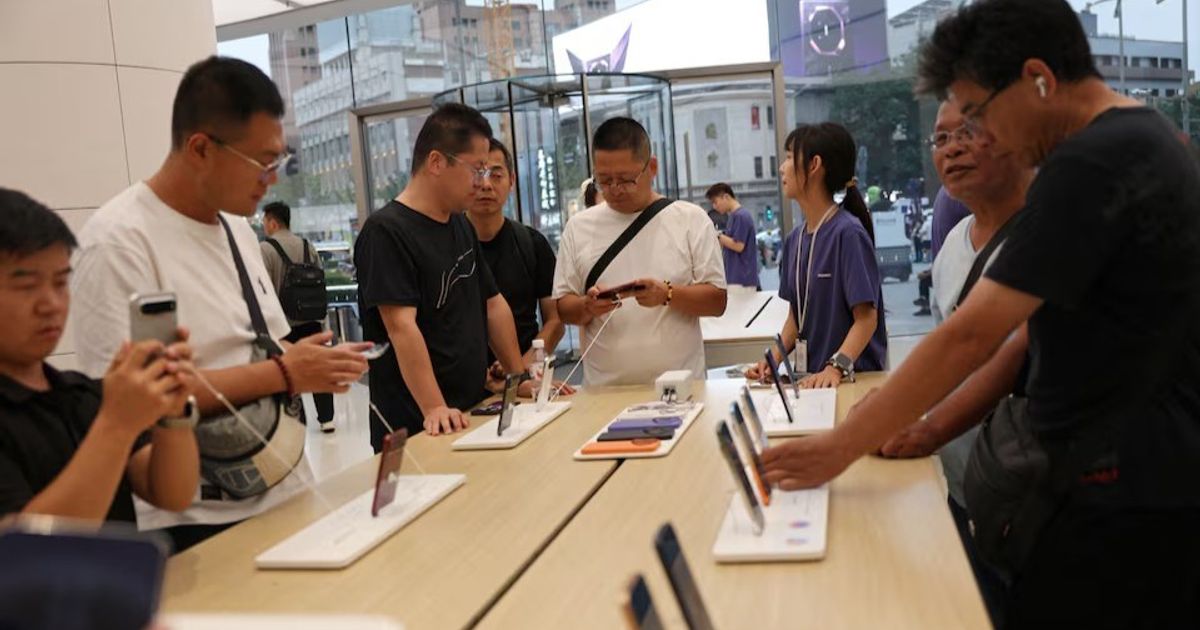
Huawei unveiled its smartphone Mate 90 on Thursday, relying on its own operating system and redesigned chip architecture to enhance its performance in light of U.S. restrictions on advanced semiconductor shipments.
In a conversation with journalists on Tuesday, ahead of the phone's unveiling, Richard Yu, head of Huawei's consumer division, stated that the company still faces restrictions in supplying advanced chips.
He continued: "The production capacity of advanced semiconductors in China is still very limited, and the company's Ascend AI chips also depend on the same production capacity."
This launch serves as a test of Huawei's ability to continue developing its smartphones despite U.S. restrictions that have limited its access to the latest chip manufacturing tools, forcing the company to develop alternative methods to enhance data processing performance.
The Mate 90 comes as a successor to the Mate 80 series that the company launched in November 2025. The premium versions, including the Mate 90 Pro Max, operate on Huawei's Kirin 9050 Pro processor, which is a system on a chip built using a technology that Huawei calls "LogicFolding."
Huawei and Apple have widened the gap with their competitors in the Chinese smartphone market during the second quarter of 2026, after recording strong shipment growth despite the ongoing market contraction.
Yu indicated that Huawei will use more chips manufactured with this technology in future smartphones.
Huawei did not disclose the manufacturer of the Kirin 9050 Pro chip, but it is widely believed that Semiconductor Manufacturing International Corp (SMIC), China's largest chip manufacturing company, produces the Kirin chips used in Huawei's Mate series phones, as well as the "Ascend" processors for artificial intelligence.
Huawei's latest phones operate on the HarmonyOS 7 operating system, which the company developed itself and is free from the Android system. Huawei claims that this system supports over 450,000 applications and services.
Huawei unveiled the new HarmonyOS 7 operating system, in the largest update to its self-developed software platform, announcing its entry into what it calls the era of smart agents (AI Agents).
The price of the Mate 90 Pro Max phone, equipped with 16GB of RAM and 512GB of storage, is 9999 yuan (about $1491), which is an increase of 2000 yuan compared to the price of the previous model at launch, while the price of the regular model starts at 5999 yuan and the pro at 6999 yuan.
Huawei stated that the new Mate 90 model offers a 31% increase in overall performance compared to the previous generation of phones.
Chinese smartphone manufacturers are facing rising costs for memory and components, which has led them to raise prices and shift more shipments towards the luxury segments.
Yu stated that the rise in memory chip prices has added an average of $200 to the cost of each phone, negatively impacting Huawei's profit margins.
He added: "We also have to raise prices, but at a slower pace."
The shipments of local smartphones in China decreased by 7% year-on-year between January and August of last year, while Huawei's shipments in the Chinese market increased by 13%, according to market research firm "IDC."
Data from "IDC" showed that the average selling price of smartphones in China rose by 11.3% year-on-year in the second quarter to $543, while the average price of Huawei phones decreased by 14.7% to $628.
IDC research firm predicted that the global smartphone market will shrink by 12.9% in 2026 due to an unprecedented shortage of memory chips, which constitutes an "unparalleled crisis."
Last month, Apple launched its first foldable phone, the iPhone Duo, entering a category long dominated by Samsung and Chinese competitors like Huawei.
It was added that Huawei currently holds about 75% of the foldable phone market in China.
Yo continued: "Between September 10 and 13, sales of our foldable phone Pura X Max jumped by 76% on a weekly basis, right after Apple launched its Duo phone," explaining that shipments of the Pura X Max, which is similar in size to the iPhone Duo, exceeded 1.2 million units in China since its launch in April.
Apple is expected to ship 6 million units of the iPhone Duo in 2026, with China, the largest market for foldable phones in the world, accounting for about a quarter of that number, according to data from Counterpoint Research.
Source: Ofoq News
Suggested
Read also
 Politics
Tripartite Meeting Between Egypt, Chad, and Libya Discusses Security in the Sahel and Sahara Region
 Politics
United States.. Woman Arrested on Suspicion of "Espionage for China"
 Politics