Russia Develops Su-57 Based on Combat Operations Experience
The Russian United Aircraft Corporation (UAC) announced the delivery of a new batch of fifth-generation Su-57 fighter jets to the Russian army after technical modifications based on operational experience.
Ofoq News
·5 minutes read
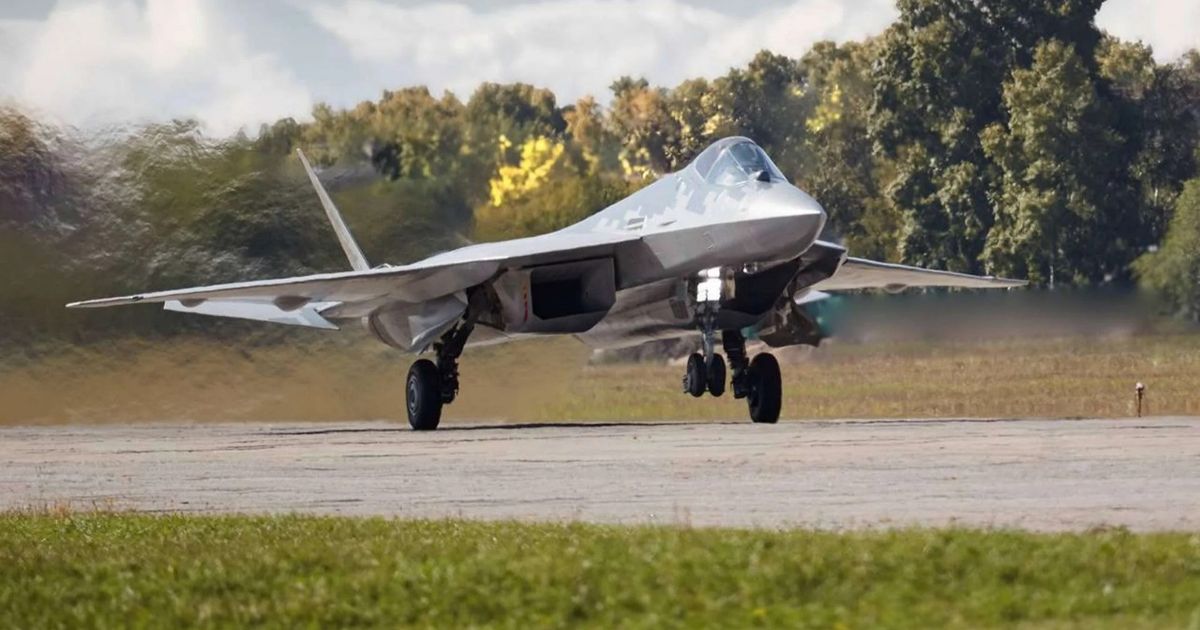
The Russian United Aircraft Corporation (UAC) announced the delivery of a new batch of fifth-generation Su-57 fighters to the Russian military after technical modifications, based on operational experience.
Army Recognition reported that the new configuration aims to enhance the combat flexibility of the fighter, as part of Moscow's ongoing efforts to develop the Su-57 to meet the changing battlefield requirements.
The site added that the new configuration expands the range of missions available for the fighter and supports the integration of additional air weapons, although UAC did not disclose the specific systems introduced in this batch.
The delivery reflects Russia's efforts to incorporate lessons learned from combat operations into serial production, which may accelerate the improvement of weapon use and operational capabilities of its fleet of fifth-generation fighters, according to the site.
UAC announced on September 24 the delivery of a new batch of Su-57 fighters to the Russian Aerospace Forces, marking a new step in the ongoing modernization of the fifth-generation combat aviation fleet.
The TASS agency reported from UAC and Rostec that the newly manufactured aircraft were delivered with what officials described as a "new technical configuration," which was partially developed based on the experience gained from operational use.
In addition to increasing the number of aircraft available to the Russian Aerospace Forces, the delivery highlights the evolution of the production standards for the Su-57 and the efforts made to integrate operational experience into the newly manufactured fighters.
The Russian Air Force has begun operating the radar-guided air-to-air missile R-77M, and a recently published image showed two of the new missiles being carried by a Su-35S fighter jet.
The new aircraft completed a full cycle of factory testing before delivery, including evaluation in various operational modes by pilots from the Russian Ministry of Defense.
UAC did not disclose the number of fighters included in the batch, but confirmed that the Su-57 aircraft currently leaving the production line differ from those produced during the early stages of Russian combat operations in Ukraine, noting that the fighter has undergone significant changes during that period.
The testing and acceptance process shows that these aircraft are delivered as operational production models, not experimental platforms, highlighting UAC's ability to manufacture, test, and introduce successive configurations while maintaining the required production pace.
The Su-57 program is presented not only as a fifth-generation aircraft in serial production but also as an advanced combat platform that can be modified with the evolution of operational lessons, subsystems, and new weapons.
An American F-35 fighter competed with a Russian Su-57E fighter on Monday in a rare air show during the Dubai Airshow in the UAE.
UAC has openly acknowledged that development and modernization have been influenced by the extensive experience gained during combat operations.
At the same time, the company has not publicly disclosed details about the sensors, electronics, electronic warfare equipment, communication systems, software changes, or structural modifications that distinguish the September batch.
The combat experience affects many of these aspects, but assigning specific unannounced changes in the systems of these aircraft will go beyond the information published by UAC.
The design of the aircraft's weapons is one of the most prominent indicators of the direction of this development, as a pilot from the Russian Air Force stated that the new technical configuration will expand the range of tasks assigned to the Su-57 aircraft. He noted that the capabilities integrated into its weapon system will enable the use of new types of aerial weapons.
These statements indicate that the update is not limited to improving the aircraft's characteristics alone, but also aims to enhance the operational flexibility of the fighter in air combat missions and air strikes.
Rostec separately showcased new weapons and unmanned systems dedicated to the broader Su-57 family, providing useful context for the program's development, noting that these announcements do not confirm the integration of all the newly presented systems into the aircraft delivered in September.
The recent delivery process falls within a broader pattern of gradual changes in the production of Su-57 aircraft.
The Russian industry described previous deliveries as involving updated technical configurations and improved weapon capabilities, indicating that the upgrades are occurring concurrently with ongoing serial production, rather than being considered merely a future mid-life upgrade for the aircraft.
This approach can reduce the time frame between operational evaluation, engineering modification, testing, and field application. It also makes each production batch relevant to understanding how the basic aircraft is evolving.
Recent images showed a Russian Su-57 fighter jet equipped with unusual external weapon loads, including short-range air-to-air missiles, as well as a new type of guidance system.
However, the available information does not prove that all recent batches share the same configuration, making direct technical comparisons between individual deliveries difficult without further detailed disclosures from UAC or the Russian Ministry of Defense.
Operationally, the broader issue lies in how effectively these successive improvements from individual production batches translate into capabilities for the entire fleet.
The introduction of modifications derived from combat operations during serial production enables the aircraft program to respond more quickly to emerging requirements, new weapons, and changes in the electronic or tactical environment.
At the same time, operating aircraft designed according to different standards may raise considerations related to training, maintenance, software support, spare parts, and configuration management, if upgrades are not ultimately standardized across the fleet. Currently, there is not enough information available to the public to determine the extent of these differences within the operational fleet of Su-57 aircraft in Russia.
The lack of disclosure regarding the size of the batch prevents an accurate assessment of the impact of this delivery on the overall configuration or readiness of the fleet.
Source: Ofoq News
Suggested
Read also
 Politics
Tripartite Meeting Between Egypt, Chad, and Libya Discusses Security in the Sahel and Sahara Region
 Politics
United States.. Woman Arrested on Suspicion of "Espionage for China"
 Politics