Samsung Raises Prices of Galaxy S26 Series After 7 Months of Launch
Samsung has raised the prices of the Galaxy S26 series phones in South Korea and the United States, with increases of up to about $200 for some versions, about 7 months after their launch, amid increasing pressures on the cost of manufacturing phones due to rising memory chip prices.
Ofoq News
·3 minutes read
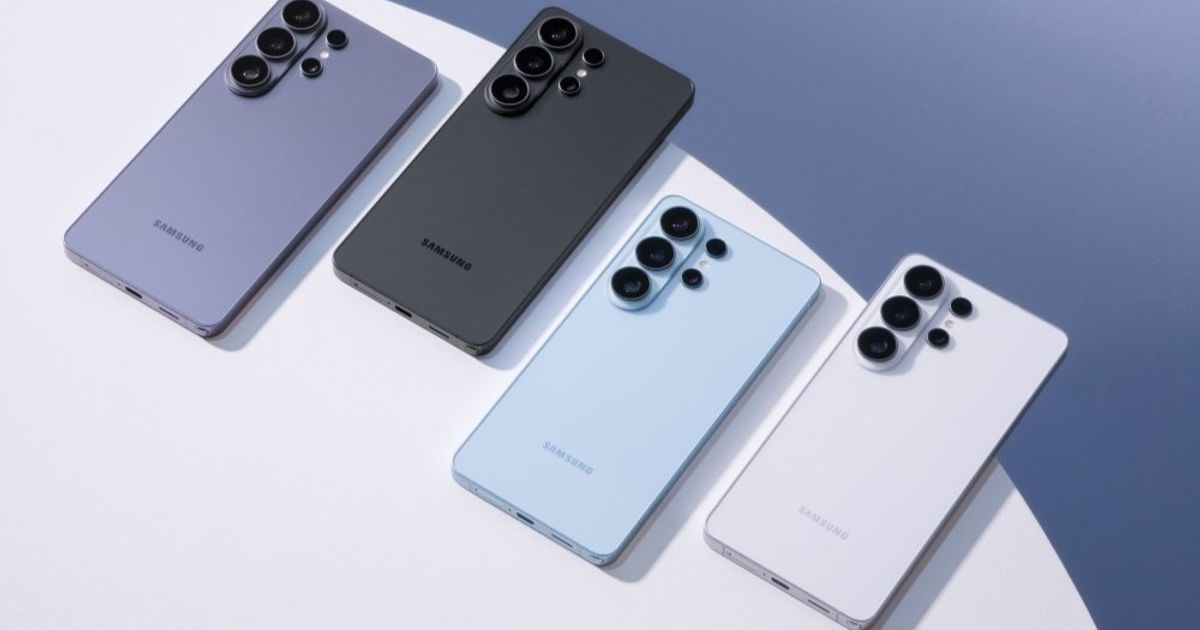
Samsung has raised the prices of the "Galaxy S26" series phones in South Korea and the United States, with increases of up to about $200 for some versions, about 7 months after their launch, amid increasing pressures on the cost of manufacturing phones due to rising memory chip prices.
In South Korea, the prices of the 256GB and 512GB storage versions increased by about $110 each, while the "Ultra" version with one terabyte saw the largest increase, amounting to about $203, according to the "Chosun Biz" website, citing the company.
In the United States, the prices of most versions of the series increased by $100, with the increase reaching $200 for the "Ultra" version with one terabyte.
The official purchase page for Samsung in the United States shows that the starting price of the "Galaxy S26" has risen to about $1000, and the "Galaxy S26 Plus" to about $1200, with an increase of $100.
Samsung has enhanced the experience of users of its new Galaxy S26 series phones as the third generation of Galaxy AI phones, after adding a new level of user experience.
The price of the "Galaxy S26 Ultra" with 256 GB has risen from about $1300 to $1400, and the 512 GB version has increased from about $1500 to $1600, while the one terabyte version has gone up from about $1800 to $2000.
This move comes after Samsung launched the basic and "Plus" versions in the U.S. market at prices $100 higher than the previous generation, adding a new increase to the cost of purchasing the two phones within the same year.
A report by "Chosun Biz" links the rise in memory prices to the expansion of investments in artificial intelligence data centers, which require large quantities of chips to operate systems and process data.
With the growing demand for server memory, the chips used in phones and computers are facing supply pressures, which is reflected in the cost of components that companies purchase to manufacture their devices.
In this context, high bandwidth memory chips, known as HBM, stand out, which are used in advanced computing systems and allow for the rapid transfer of large amounts of data.
According to "Chosun Biz", citing a report from "Reuters", "Samsung" predicted on September 29 that the share of this memory in the global production capacity of dynamic random-access memory (DRAM) chips would rise from about 20% currently to around 30% by 2027.
HBM memory and traditional memory share production capacity, and therefore allocating a larger share to chips aimed at artificial intelligence may reduce the available capacity for producing memory used in phones and computers.
This indicates the possibility of continued supply pressures over the next year, which may put device manufacturers in a position to choose between raising prices or absorbing increased costs at the expense of their profit margins.
The wave of price increases is not limited to "Samsung", as "Chosun Biz" mentioned that "Apple" set the prices of the "iPhone 18 Pro" series, which was launched last month, at levels higher than the previous generation, and also raised the selling prices of the already existing "iPhone 17" series in the markets.
Source: Ofoq News
Suggested
Read also
 Politics
Tripartite Meeting Between Egypt, Chad, and Libya Discusses Security in the Sahel and Sahara Region
 Politics
United States.. Woman Arrested on Suspicion of "Espionage for China"
 Politics